The Gulf remains the most forgiving first market for Indian exporters: short sailing times from Nhava Sheva and Mundra, a large South-Asian consumer base, and buyers who already understand Indian grades and packaging. Across our buyer conversations in the UAE, Saudi Arabia and Qatar this year, ten product groups keep surfacing with repeat-orders attached — not one-off trial lots, but quarterly contracts.
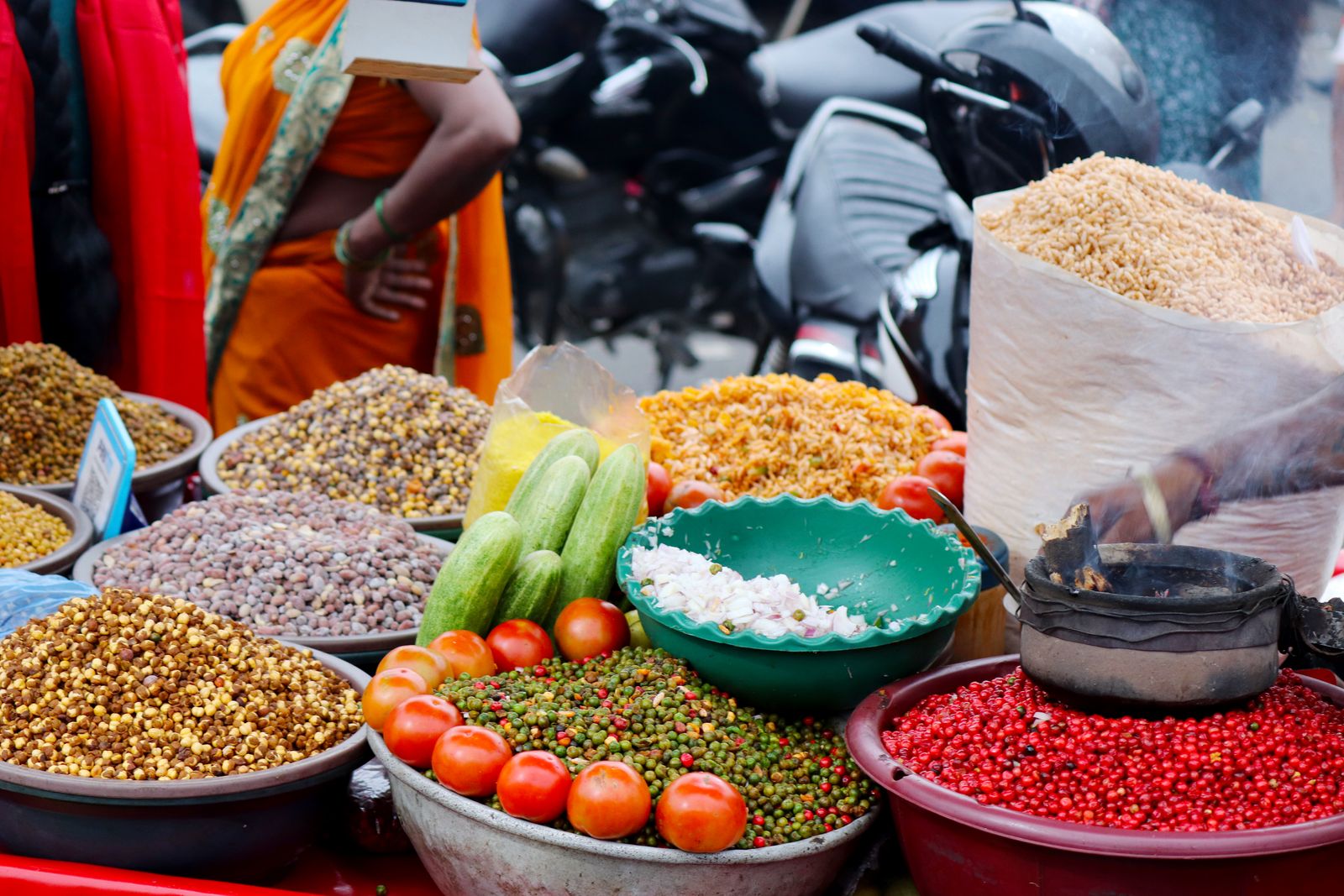
Food leads the list. Basmati and non-basmati rice, wheat flour and millets move in container volumes to ethnic retail chains; processed snacks, pickles and ready-to-cook ranges follow the same shelves with healthier margins. Spices — cardamom, black pepper, turmeric fingers and blended masalas — command 30–40% premiums over mandi rates when lab-tested lots carry aflatoxin and moisture reports Gulf importers now expect as standard.
The ten product groups buyers ask for most
Beyond food, the demand spreads wide: ceramic tiles and sanitaryware for the Gulf construction cycle; textiles and home furnishings, especially cotton bed linen and towels; engineering goods including auto components and building hardware; generic pharmaceuticals and AYUSH herbal ranges through registered distributors; gems, imitation jewellery and handicrafts for the retail souks; and furniture plus modular kitchen components for new residential towers. Each group has its own HS chapter, but all ten share one trait — buyers reorder when quality stays consistent across lots.
Documentation decides who wins these orders. Food consignments need APEDA enrolment where applicable, plant-health certificates and destination labelling in Arabic alongside English. Pharma and AYUSH lines move only through licensed importers with product registrations in place, which is why sampling and paperwork-first sequencing — samples with CoA before volume talks — shortens the cycle from first call to signed contract.
“Gulf buyers do not chase the cheapest quote — they reorder from the supplier whose third lot matches the first.” — The Harborline Team
How to price and position them
Quote FCA or FOB for trial orders and move to CIF only once volumes justify the freight negotiation; Gulf buyers compare landed cost, so show the freight and insurance lines transparently instead of burying them. Build margins around grade, not just volume — assay-checked turmeric or Erode-tested spice lots earn premiums that commodity-grade goods never will, and private labelling for retail chains lifts repeat business further.
Start with two or three complementary products rather than a catalogue of fifty: a rice miller adding millets and flour, or a spice trader adding blended masalas, looks focused and is easier to service. Confirm the 8-digit HS code and its conditions before quoting — a misclassified consignment held at Jebel Ali wipes out the margin on the next three. Our export-checklist and HS guidance in Resources walk through exactly that verification, and the sourcing team confirms codes for clients before any quotation leaves the desk.